You explain the plan.Your patient takes home a comic.
Paste your instructions in your own words. In about two minutes CarePath turns them into a short illustrated comic your patient can read on the bus home, reviewed by you before anyone sees it.
Identifiers never stored · Nothing sent un-reviewed · No card required
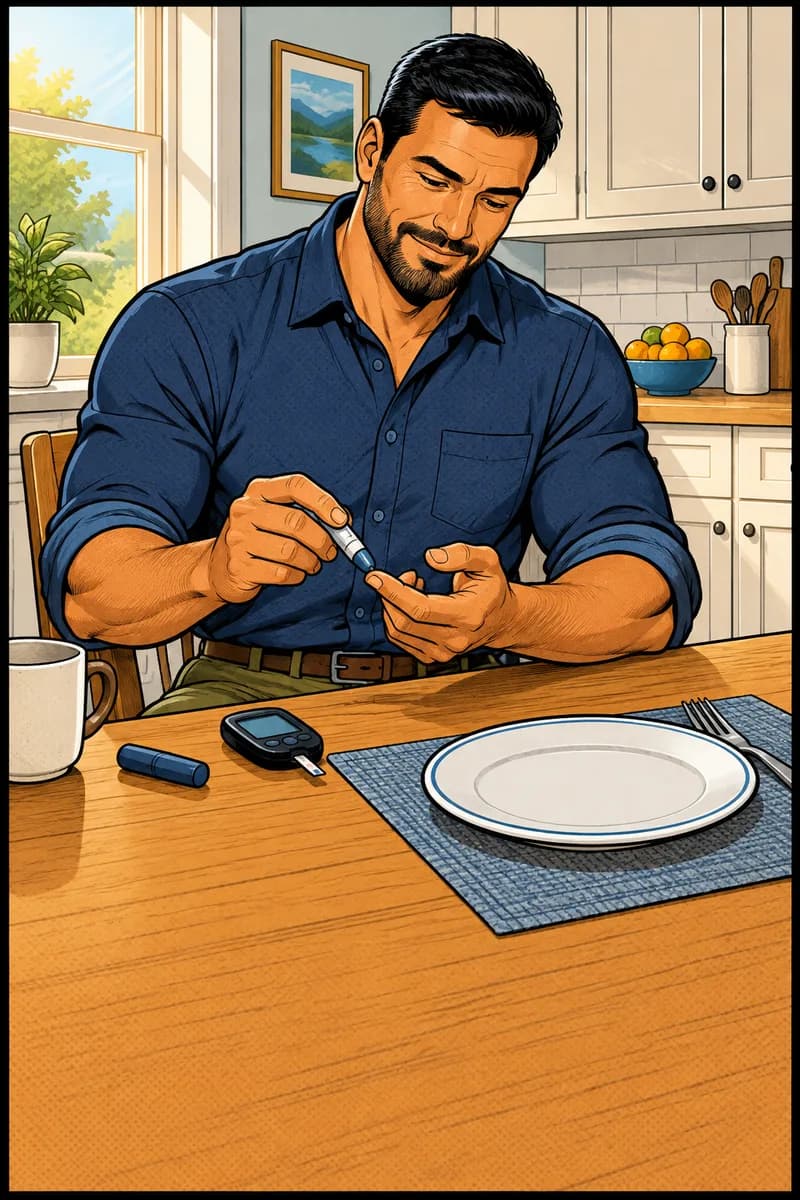


“Your New Diabetes Care Plan”, made by CarePath from the note behind it.
Watch a note become a comic.
The same three steps you take in the app: enter the case, review every panel, share. About two minutes, inside the visit.
Your note · Man in his 40s · primary care
HoverTap a panel to see the words it came from. Synthetic note, no real patient.
Your New Diabetes Care Plan
0/6 panels · reading your note
Draft · awaiting your approvalReal output from CarePath, made from the note on the left with the same models the app uses. Captions are text over the art and stay editable.
- 1
Enter the case
Age band, setting and goal by tap. Then your instructions in your own words, typed, dictated or pasted from your note.
- 2
Review and edit
Six to eight panels, each traced to a line of your text. Fix any caption in place. Nothing goes out until you approve.
- 3
Share by QR, link or PDF
Your patient scans the code in the room, opens the link at home, or takes a printed large-print page.
Three things that are always true.
A comic is only useful if it is right. These are the rules the system is built around.
The clinician writes the medicine
Fixed, non-removable disclaimer on every comic and every PDF: the comic is a simplification of the clinician's own instructions, not independent medical advice, and the clinician's instructions govern.
Identifiers never persist
PHI may transit the de-identification step (unavoidable, since clinicians paste real notes and upload real documents) but is never persisted anywhere in the system.
Nothing reaches a patient un-reviewed
Mandatory clinician approval gate with an audit record.
Four reasons clinicians keep using it.
Not a summary tool. A faithful, reviewable, shareable version of what you already said.
Your words, not the model's
Doses, times and thresholds are copied from your text character for character. Every panel shows the sentence it came from, and an independent check blocks anything your text does not support.
Drag the handle to compare the note with its panel
Start metformin 500 mg twice daily with breakfast and dinner. Check your blood sugar every morning before eating. Avoid sugary drinks. Walk 30 minutes a day, 5 days a week. If your sugar is over 300 mg/dL two times in a row, call the clinic. Come back in 3 months.
← drag →Independent check · this panel
- ✓Caption: “Start metformin 500 mg twice daily with breakfast and dinner.”
- ✓Built from: “Start metformin 500 mg twice daily with breakfast and dinner.”
- ✓Verdict: supported. Nothing added, nothing changed.
Every panel carries the words it was built from. A caption that cannot be traced is blocked until you decide.
Three visits, three comics.
Each one made by CarePath from a synthetic discharge note, with the same models and checks the app uses. Swipe through the panels.
Type 2 diabetes, first prescription
Your New Diabetes Care Plan
1 · What happens next
2 · The medication
3 · What to avoid
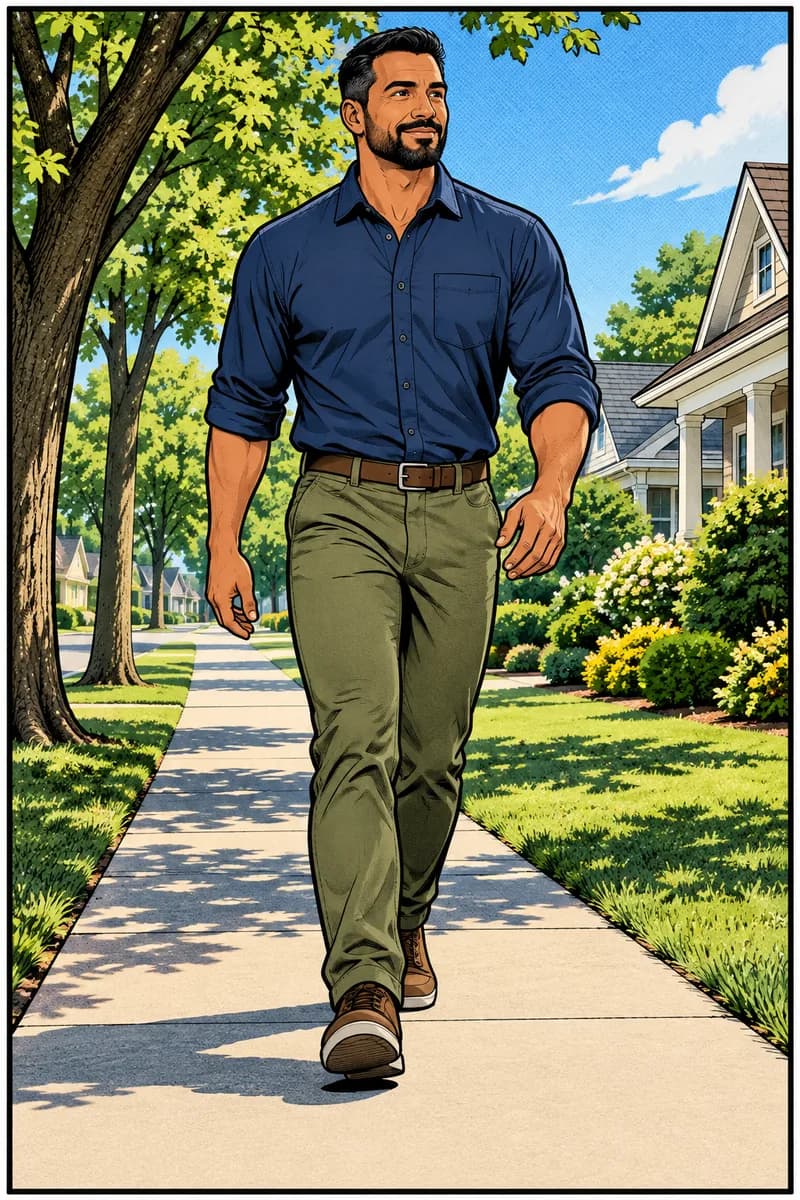
4 · Day to day
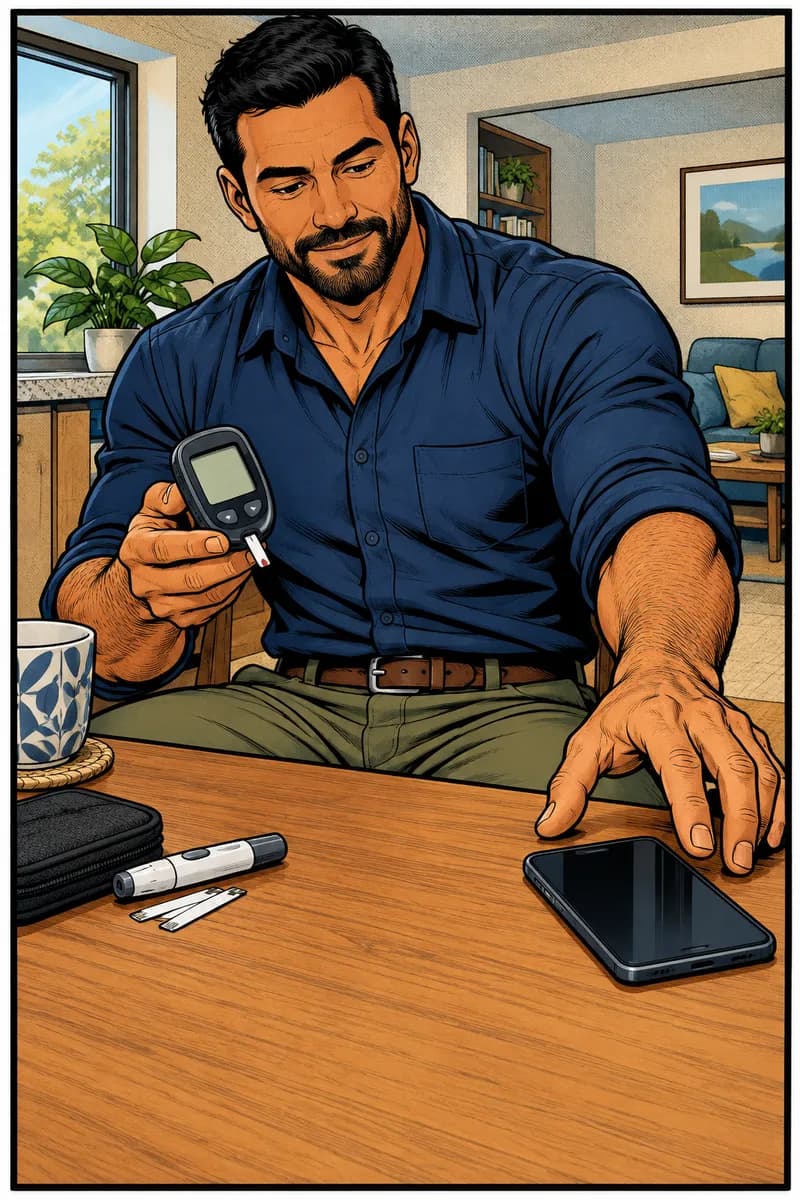
Call the clinic.
5 · When to call
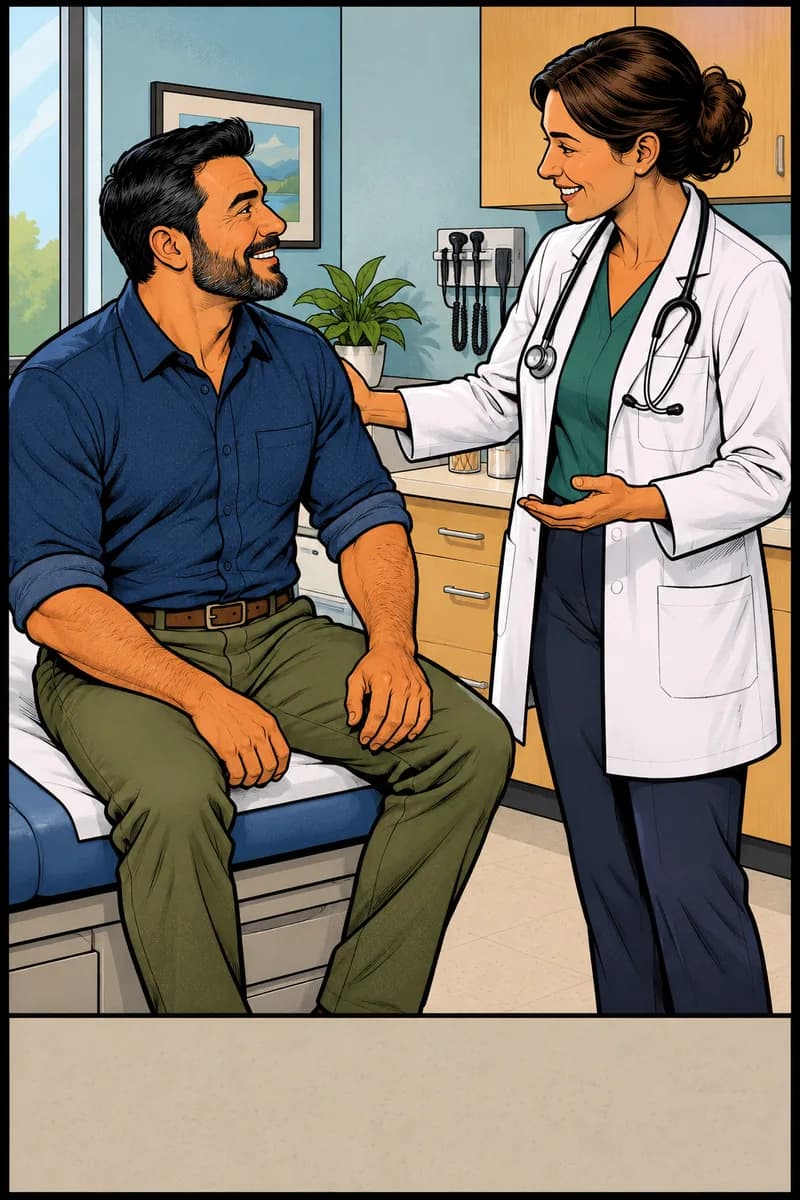
6 · The follow-up
Post-op discharge, two weeks at home
Your Knee Surgery Care Plan
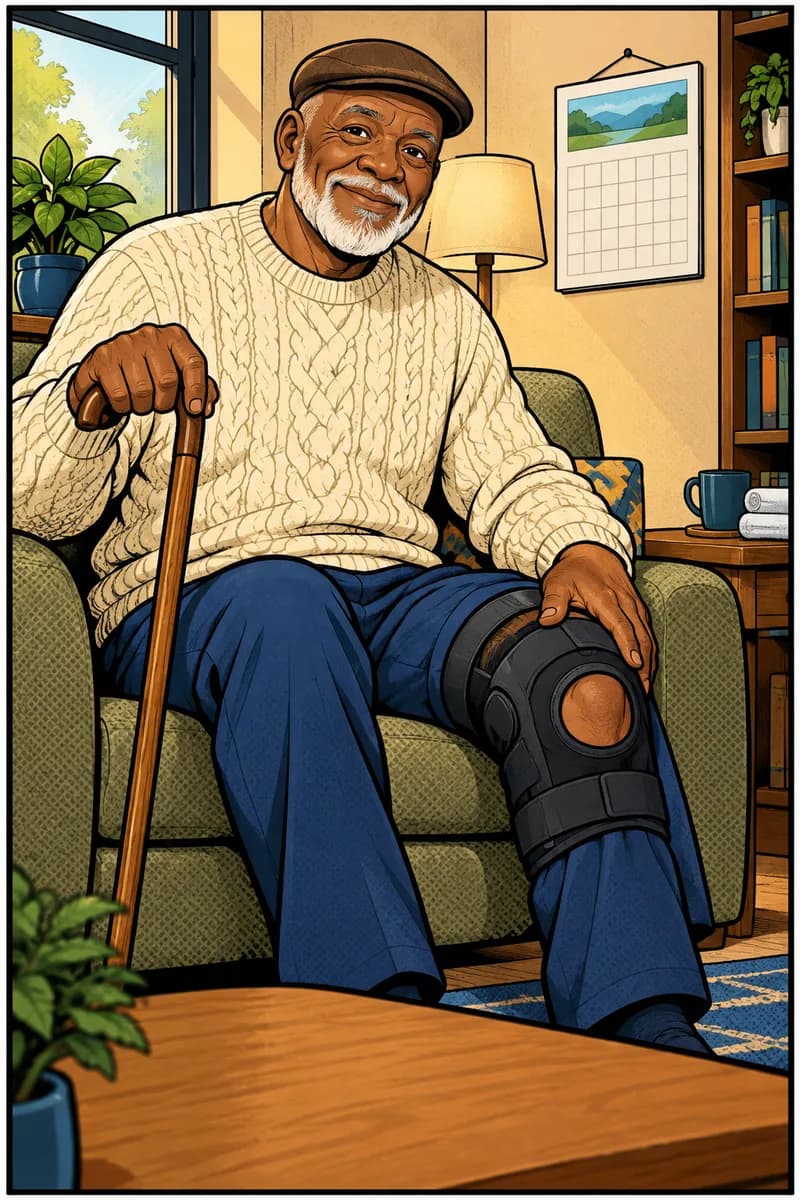
1 · What happens next
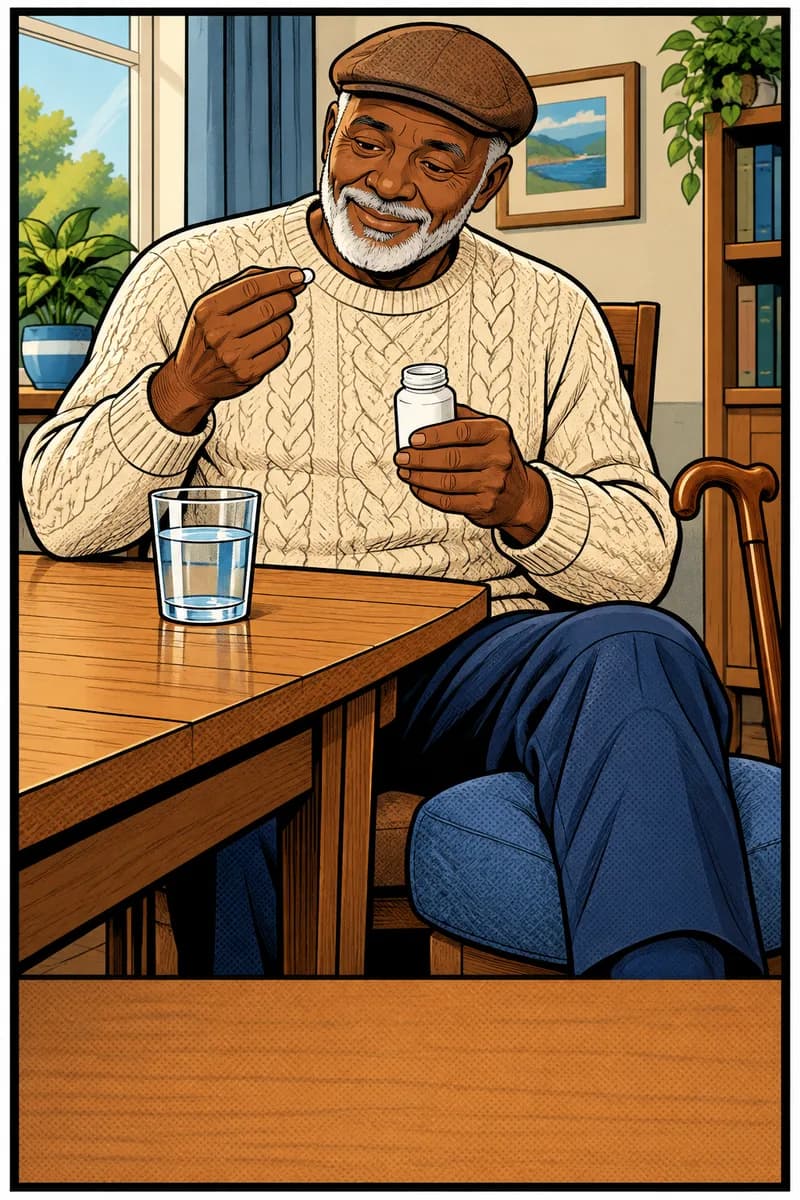
2 · The medication
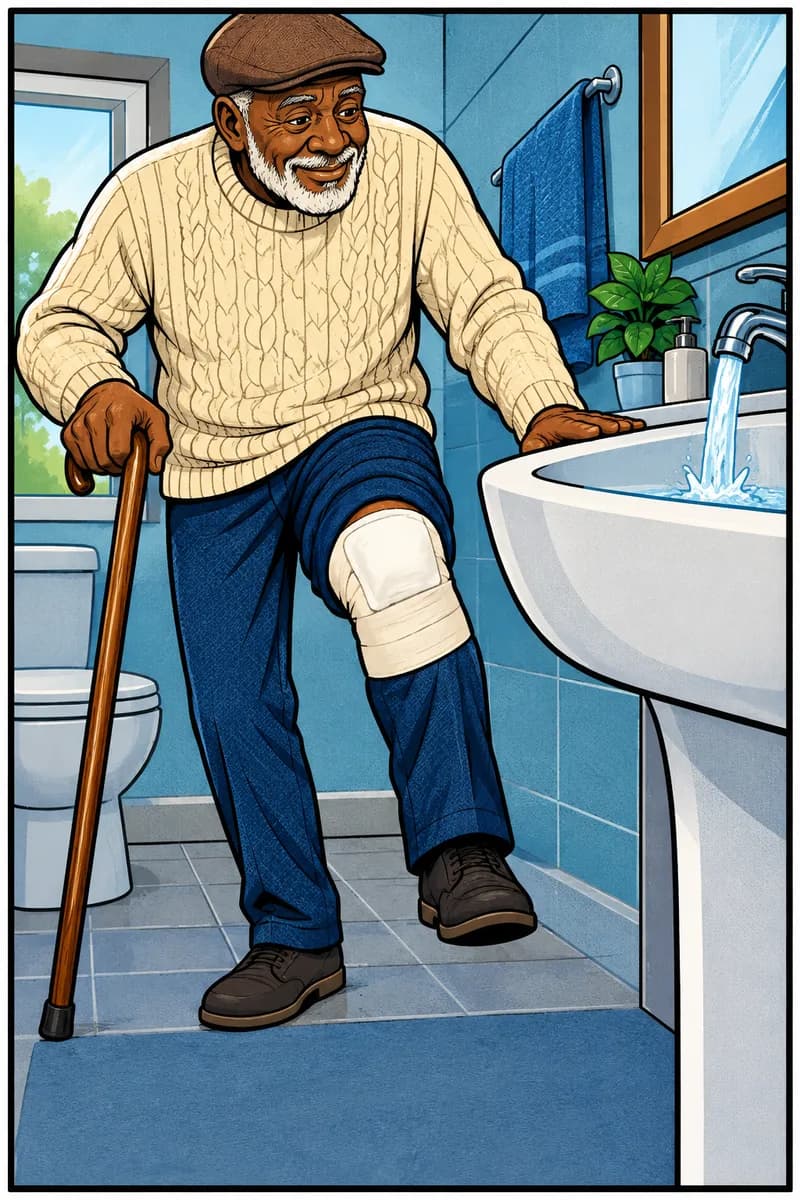
3 · What to avoid
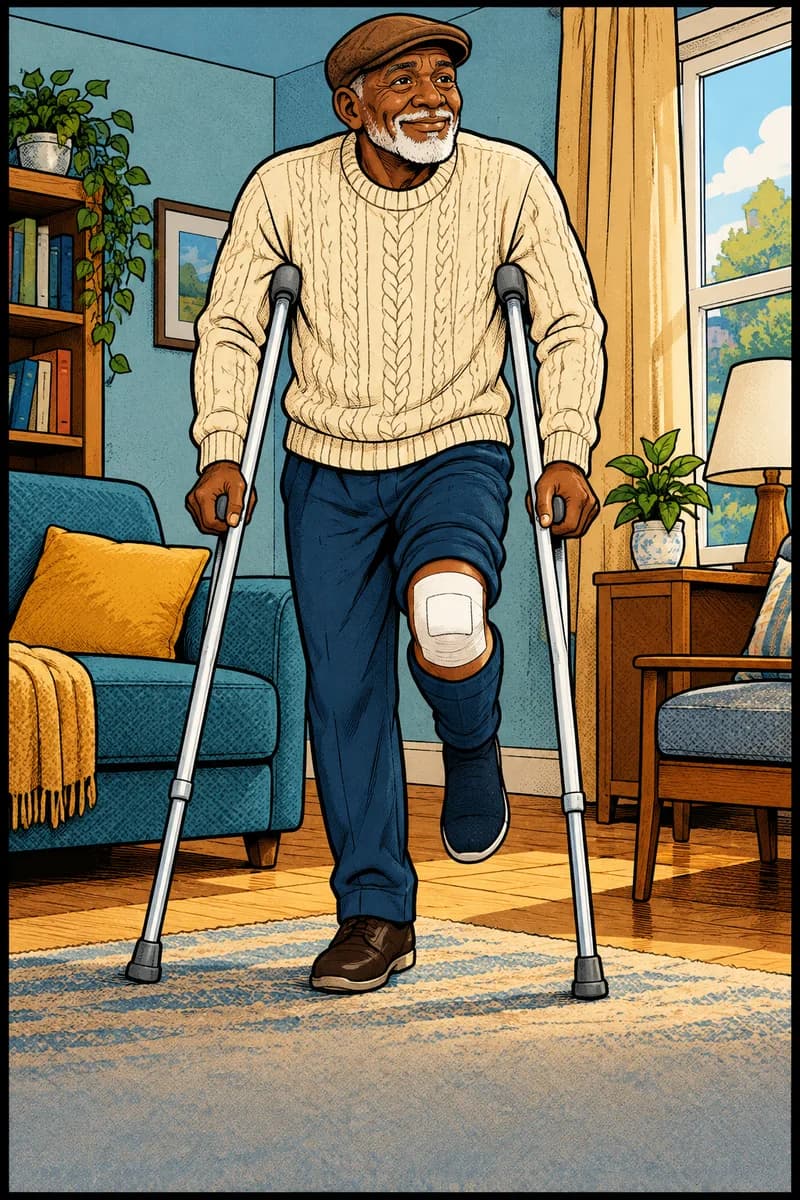
4 · What to avoid
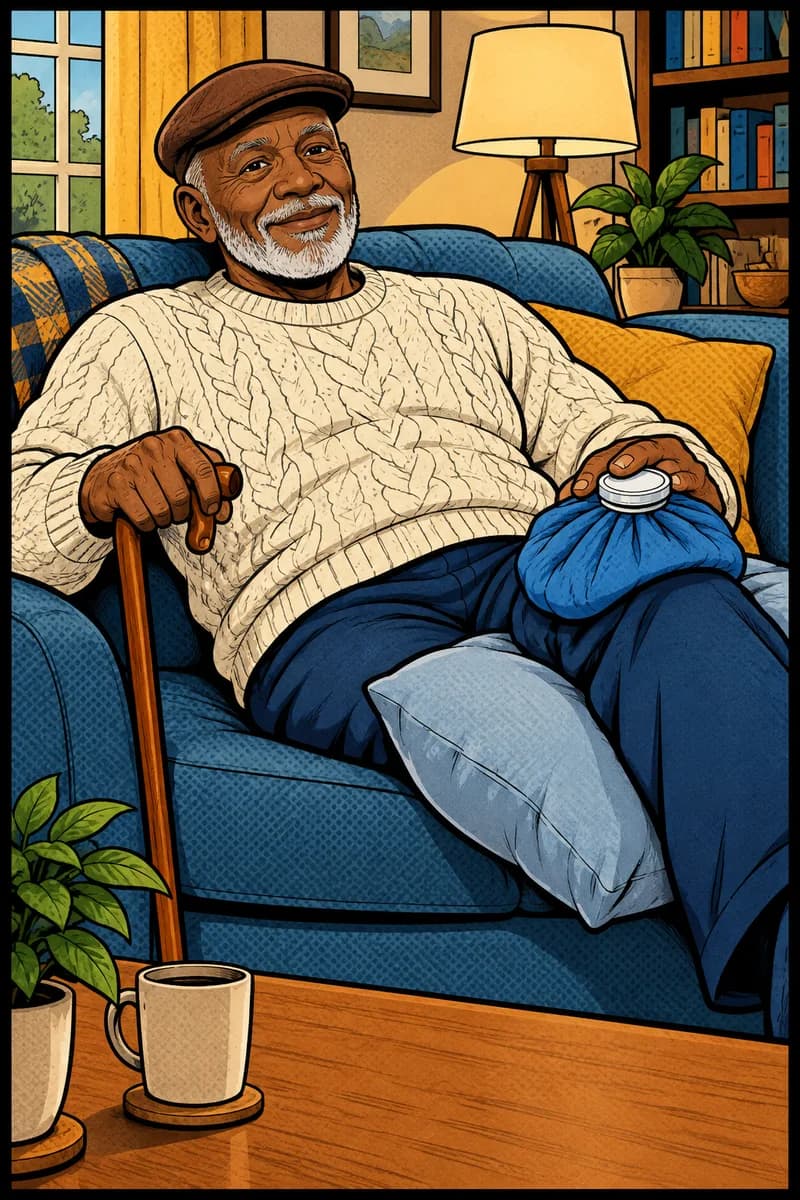
5 · Day to day
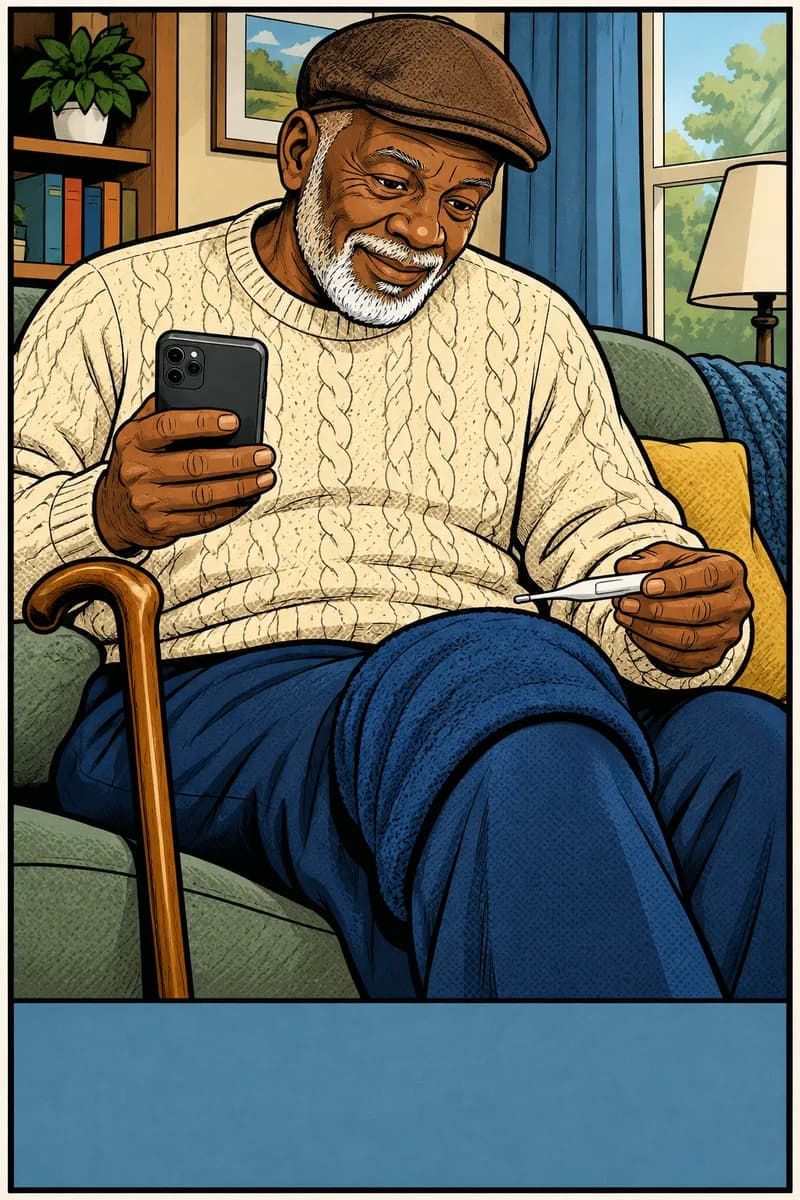
I will call if this happens.
6 · When to call
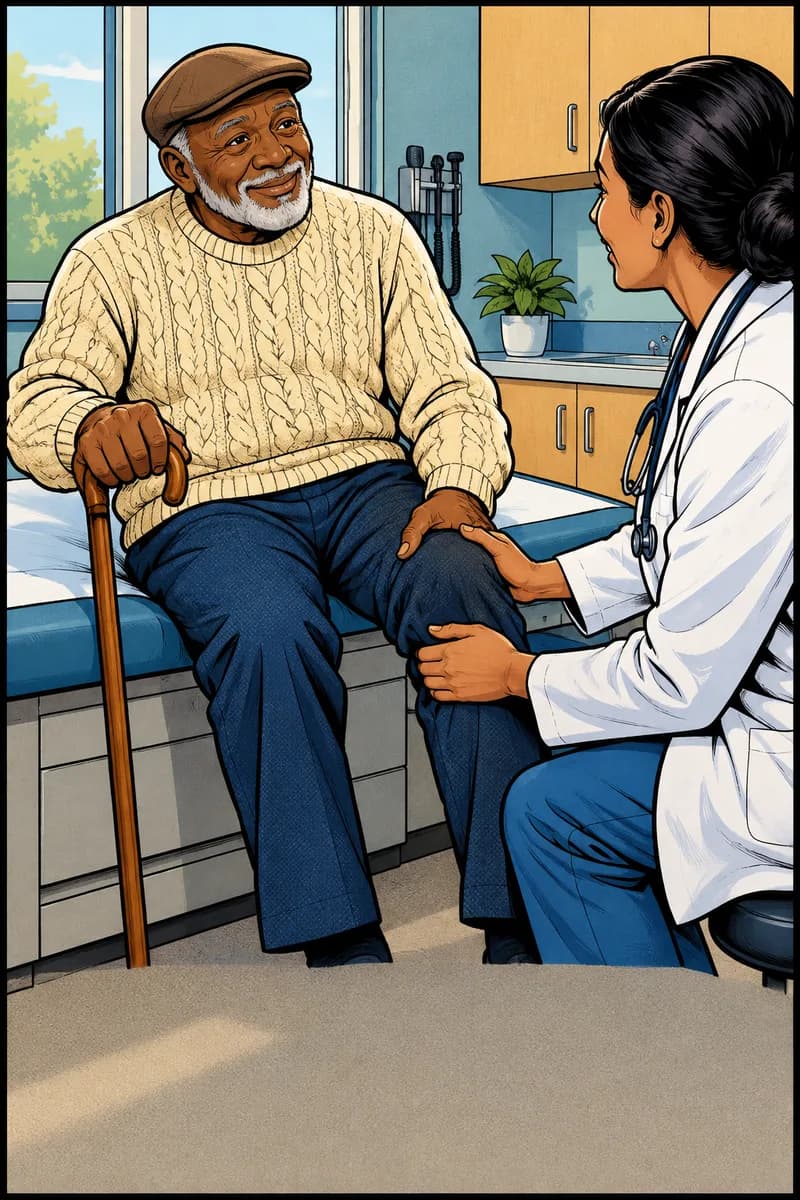
7 · The follow-up
Asthma, preventer and reliever
Using Your Inhalers
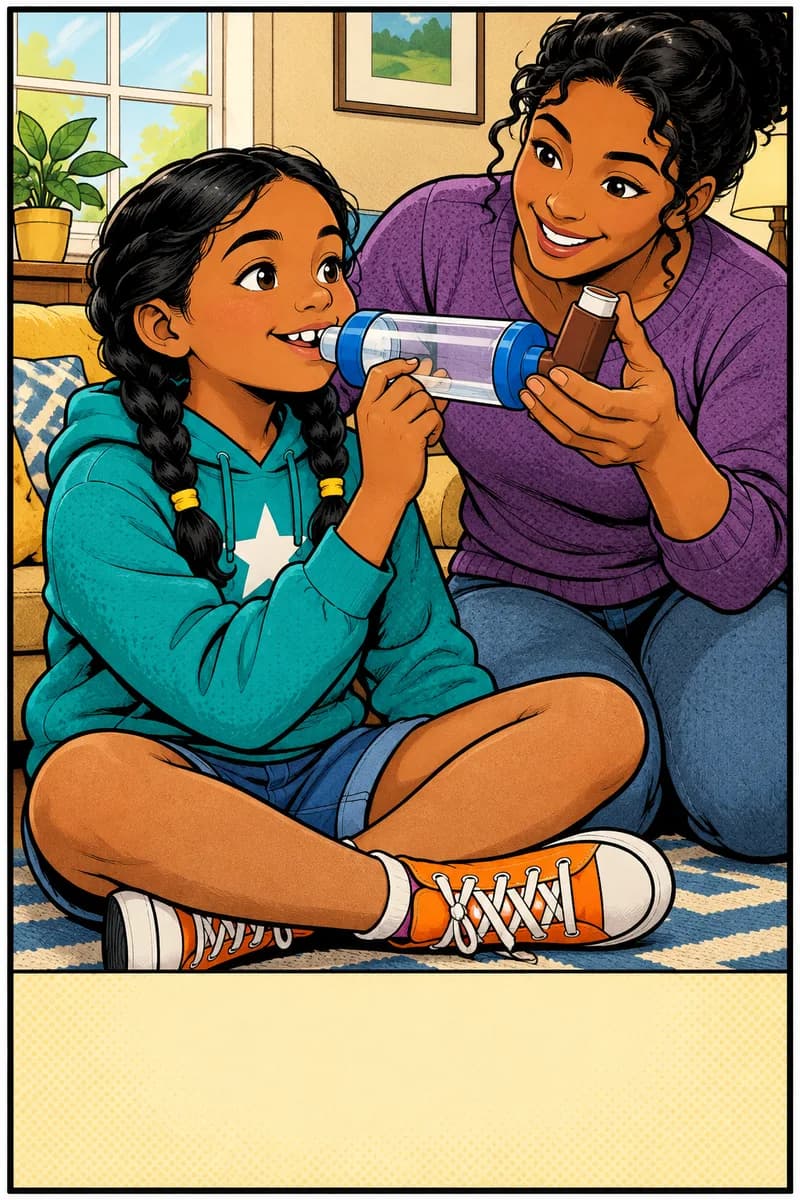
1 · The medication
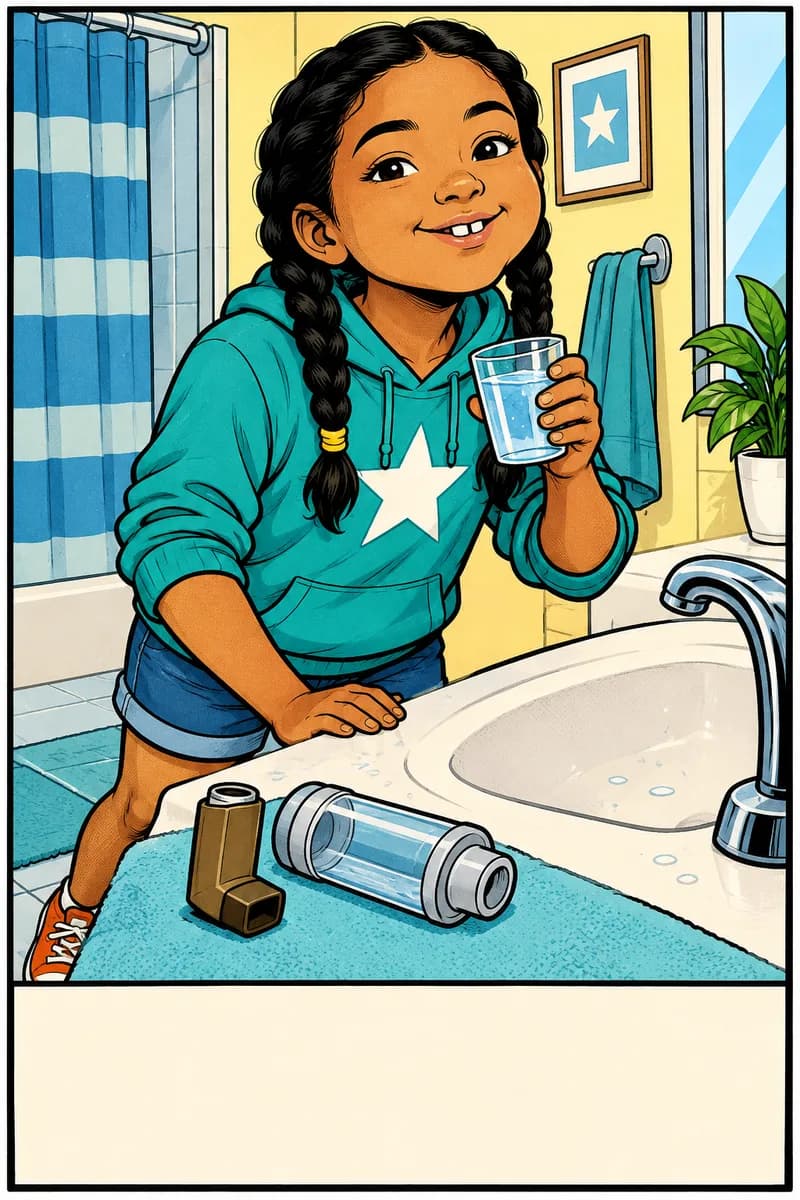
2 · The medication
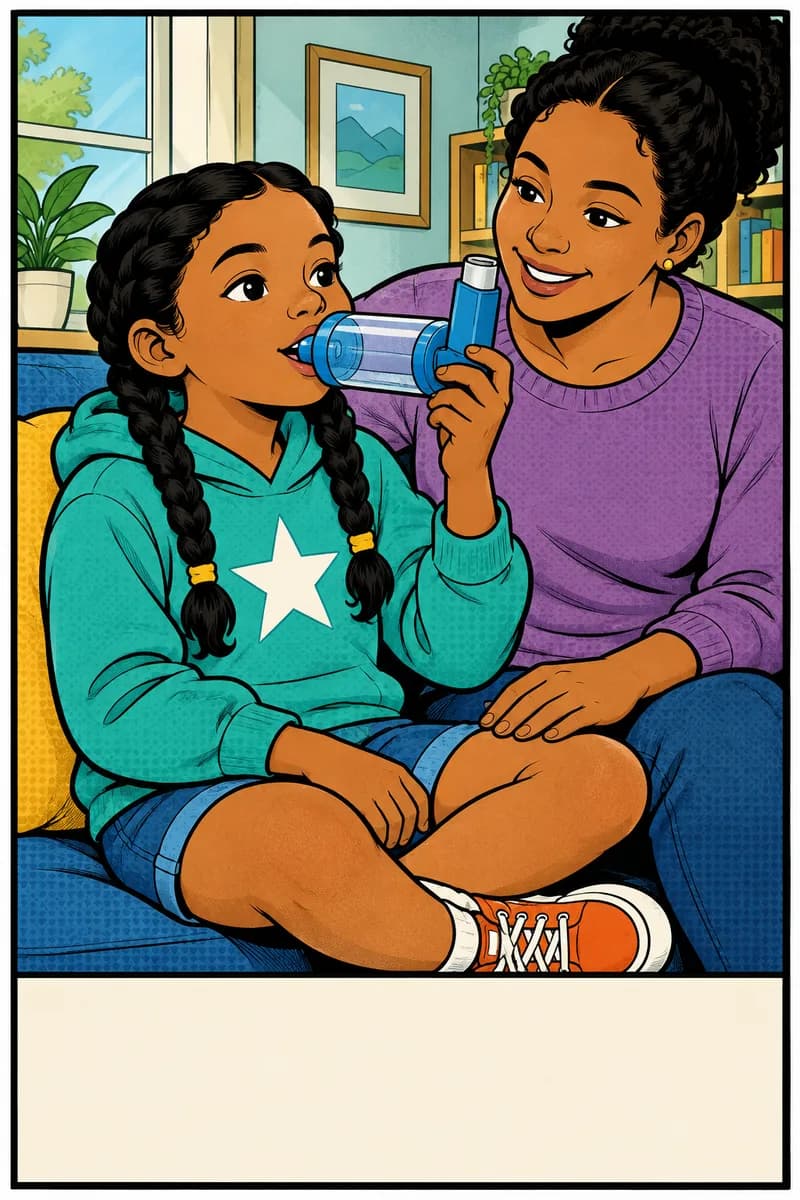
3 · The medication
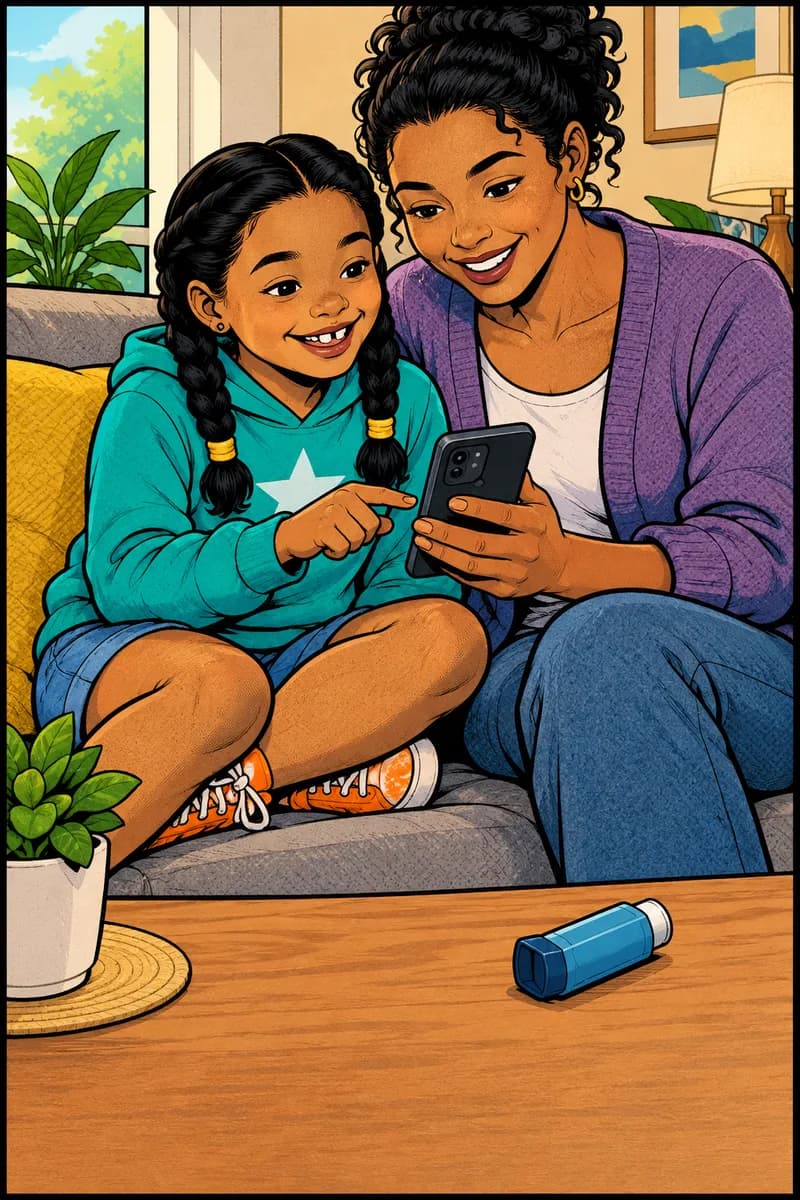
4 · When to call
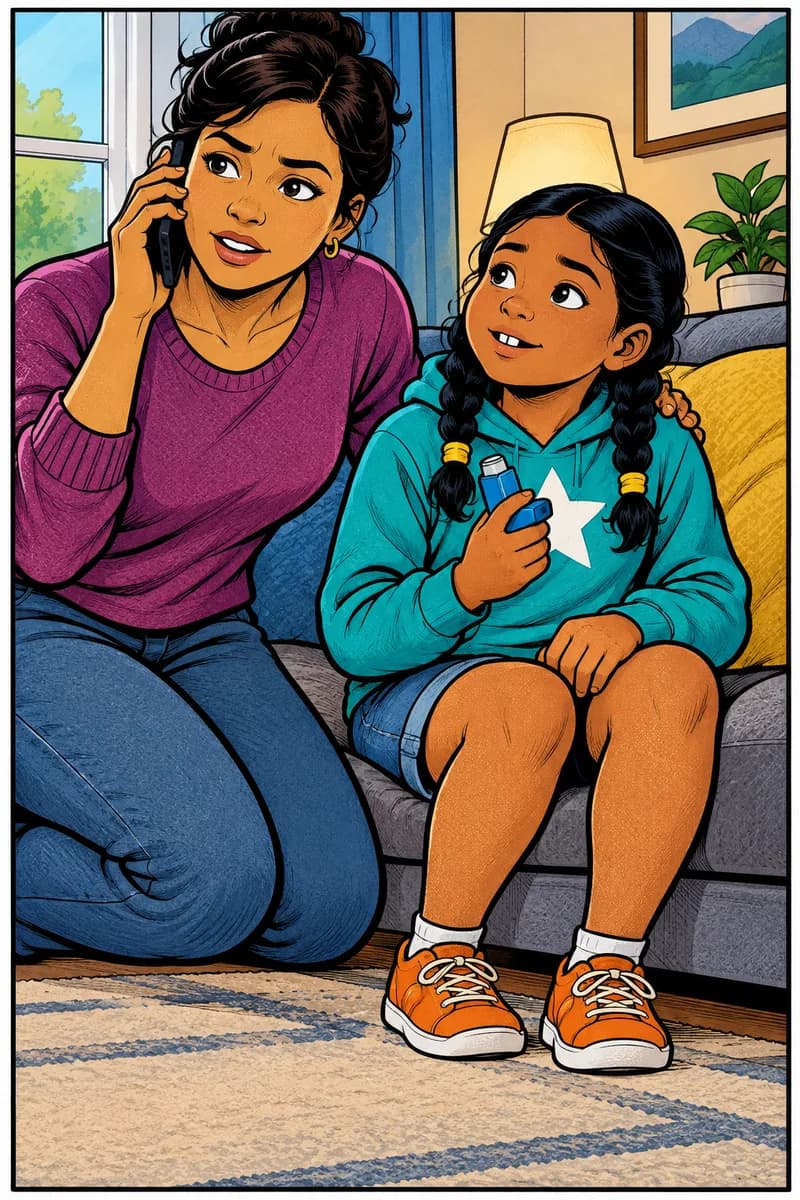
Call 911.
5 · When to call
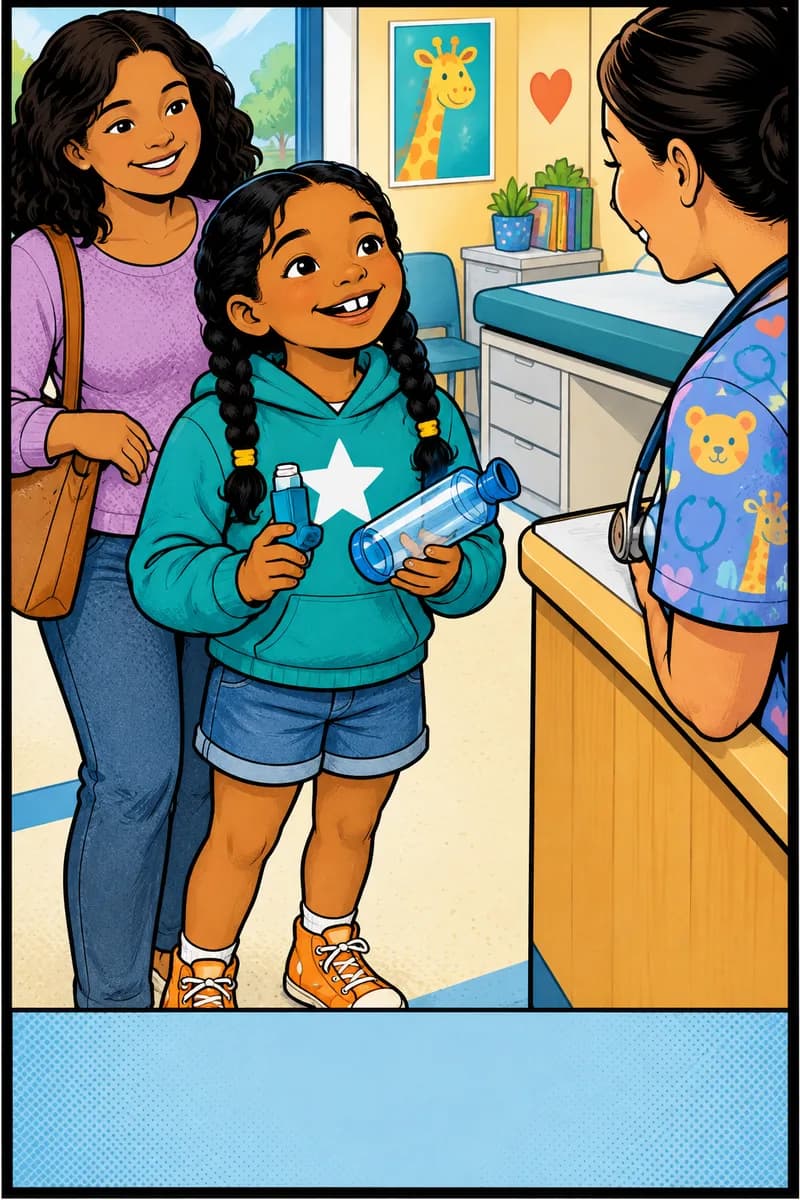
6 · The follow-up
Less explaining. More understanding.
Tap a card to see what is behind the number.
What CarePath is not.
Not an EHR, not a chart, and not clinical decision support. It never diagnoses, doses or adds advice. It only makes the instructions you already gave easier to follow.
Start free. Pay when it saves you time.
One comic on us, no card. Then pick how many a month.
Cancel anytime in your account.
Free
$0
Try it on one real visit
- 1 comic, no card required
- 1 seat
- Edit every caption before you approve
- Share by QR, link or PDF
Solo
$39/ mo
One clinician, every week
- 15 comics a month
- 1 seat
- Edit every caption before you approve
- Share by QR, link or PDF
Practice
$179/ mo
A small practice, shared quota
- 90 comics a month
- Up to 5 seats
- Edit every caption before you approve
- Share by QR, link or PDF
- Your clinic's name and logo
Clinic
$499/ mo
A clinic with admin oversight
- 300 comics a month
- Up to 20 seats
- Edit every caption before you approve
- Share by QR, link or PDF
- Your clinic's name and logo
- Priority rendering
- Admin analytics
Health system or more than twenty seats?
Custom quotas, SSO and a BAA conversation. Prices in USD.
Over your plan mid-consultation? Extra comics are $1.20 each, or 25 for $29. You are never stopped in front of a patient.
Questions clinicians actually ask.
Still wondering?
Ask us anything about data handling, plans or your workflow.
support@carepath.comMake your first comic free01Where does patient data go?
Your text and any document are de-identified on CarePath's server before anything is written: names, dates, places and ID numbers are removed in memory, and a second, independent pass re-reads the result and rejects it if anything identifying is left. Only the de-identified text is stored and used to make the comic. PHI may transit the de-identification step (unavoidable, since clinicians paste real notes and upload real documents) but is never persisted anywhere in the system.
02Do you sign a BAA?
Not yet. CarePath is designed so patient identifiers are never stored, which is why it works without one. If your health system requires a BAA, write to us. We want to hear from you before we build for it.
03Can I edit before sending?
Yes. Every comic is a draft until you approve it. You can change any caption instantly, redraw a panel, reorder or remove panels. Editing an approved comic sends it back for review and turns its links off until you approve again.
04What happens if the AI gets it wrong?
An independent check compares every panel with your text and blocks anything unsupported until you decide. Doses and numbers are checked against your words character by character. And nothing reaches a patient until you approve it.
05What does the patient see?
A comic of six to eight panels, one picture per screen, with large captions in plain language and a fixed note that it simplifies your instructions and that your instructions govern. No account, no app to install. The patient never sees anything that was not in your text.
06Does it integrate with my EHR?
Not yet. CarePath works in any browser, on its own. EHR integration is on the roadmap.
07What does it cost?
A free plan with one comic, no card. Paid plans start at $39 a month for one clinician; a practice of five is $179, a clinic of twenty $499.
08Is this clinical decision support?
No. CarePath never diagnoses, doses or adds advice. It only makes the instructions you already gave easier to follow. It is not an EHR and not a chart.
Your next patient leaves understanding the plan.
One comic free, no card. Your first comic takes about two minutes.
Make a comic, free